If you want space, privacy, and a home that lives more like a private retreat than a subdivision property, Sedalia deserves a serious look. Buying a luxury acreage home here is different from buying in a typical suburban neighborhood, and the details matter. In this guide, you’ll get a practical look at how Sedalia’s acreage market works, what makes it stand out, and what to review before you buy. Let’s dive in.
Why Sedalia Appeals to Luxury Acreage Buyers
Sedalia is an unincorporated rural community in Douglas County, and that setting shapes the experience of living there. Douglas County’s comprehensive plan calls for the Sedalia area to retain a rural, small-town atmosphere and support development that fits the scale and character of existing nonurban areas.
That matters if you are looking for open land, fewer close-in neighbors, and a setting that feels distinct from more suburban luxury markets nearby. Sedalia also benefits from access to a wider open-space network that includes areas connected to Pike National Forest, wildlife corridors, Nelson Ranch, Pike Hill, Sandstone Ranch, and the 3,441-acre conservation setting around Cherokee Ranch & Castle.
In plain terms, Sedalia offers a more consistently rural feel than many nearby South Metro options. You are not just buying a large house. You are often buying a larger land experience too.
What “Luxury Acreage” Means in Sedalia
In Sedalia, luxury inventory is strongly tied to parcel size. Current market snapshots show active homesites and luxury properties on parcels around 4.47, 5.18, 5.5, 8.36, 10.39, 17.5, 20.66, 35.07, 35.53, and 70 acres.
That range tells you something important. Sedalia’s market is not built around standard suburban lot sizes. Instead, it tends to cluster around acreage thresholds that align with Douglas County zoning patterns.
Douglas County zoning helps explain why. Depending on the district, density and minimum lot sizes vary significantly:
- LRR can range from one dwelling per 34.9 acres to one per 10 acres
- RR allows a maximum gross density of one dwelling per 5 acres, with minimum lot area tied in part to utility service
- ER allows one dwelling per 2.5 acres, again with minimums tied to utility service
- A-1 has a minimum lot area of 35 acres
For buyers, this means parcel size is not just a lifestyle feature. It can affect what kind of property you are buying, how the land is regulated, and what future changes may or may not be possible.
What Homes Look Like in Sedalia
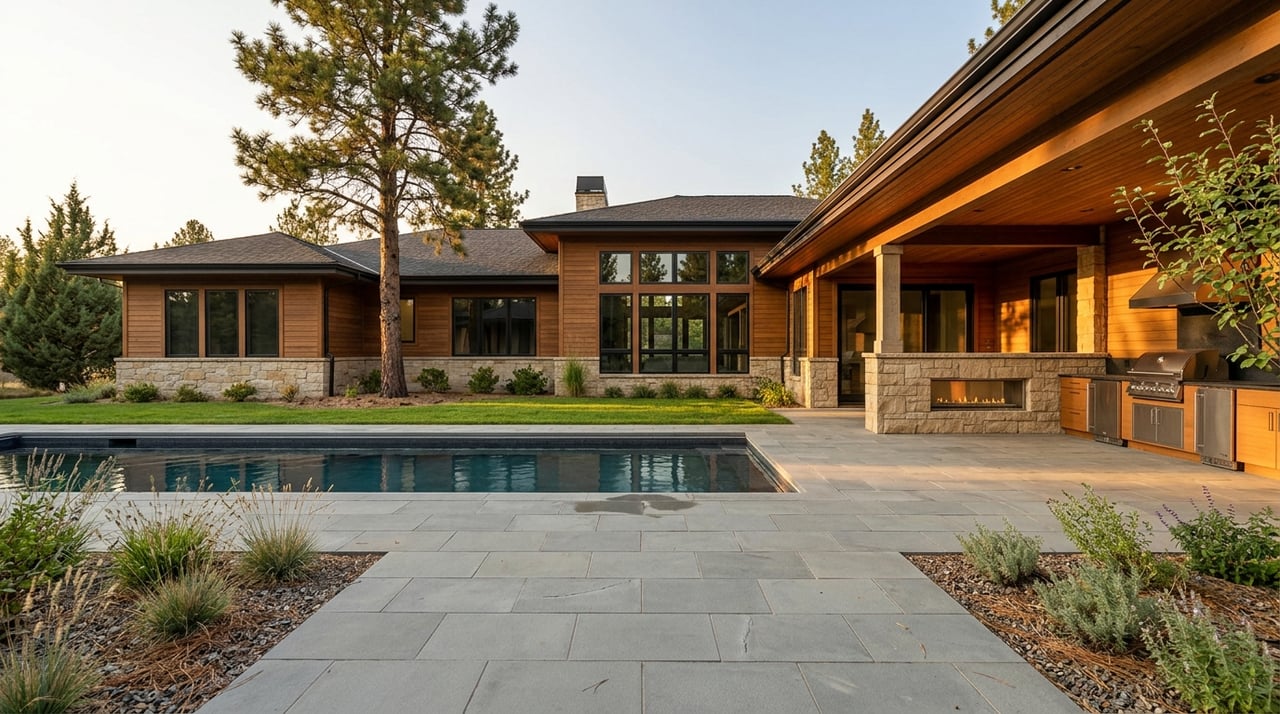
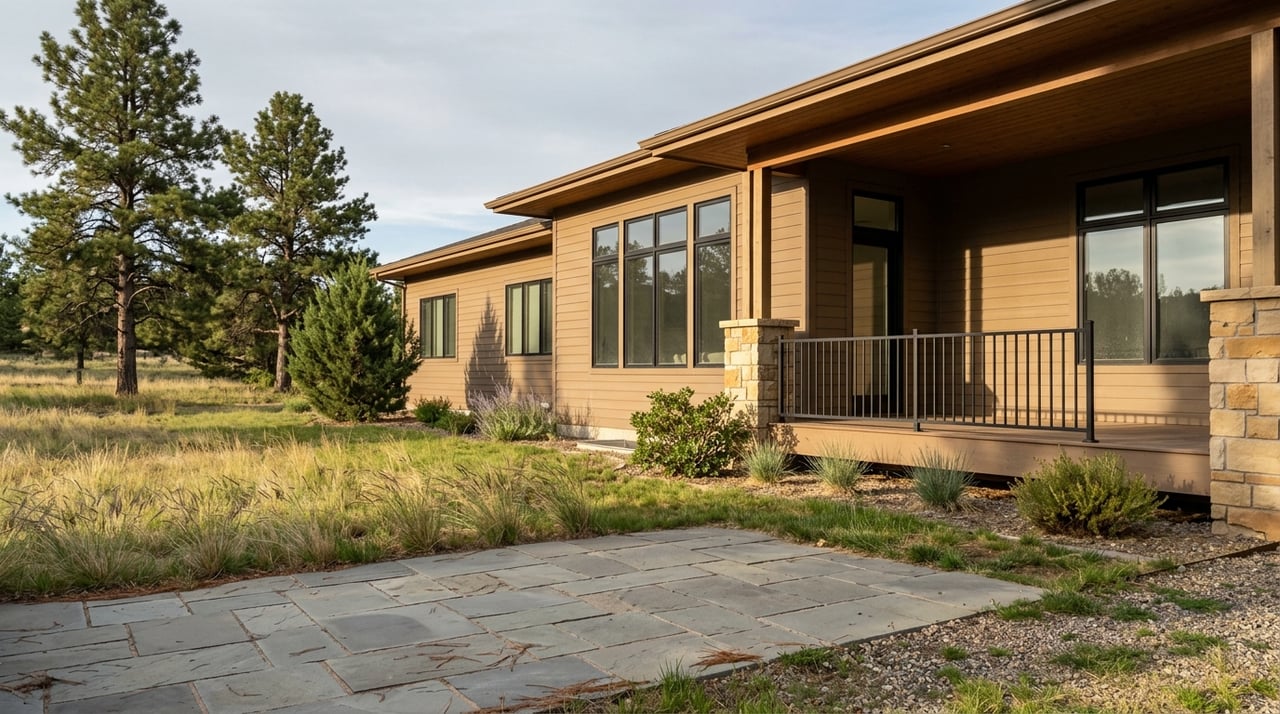
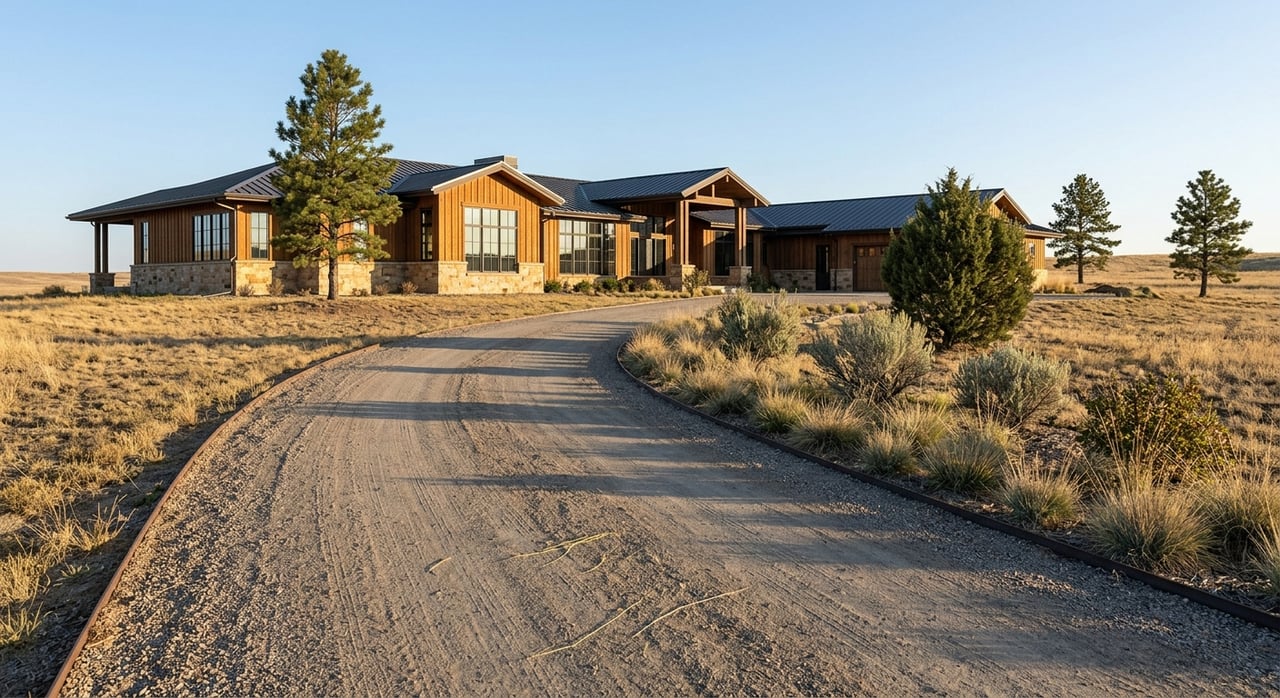
Sedalia’s luxury acreage homes tend to be custom properties rather than production builds. Current examples in the market include custom ranches, mountain contemporary homes, craftsman-style homes, lodge-style estates, and horse properties.
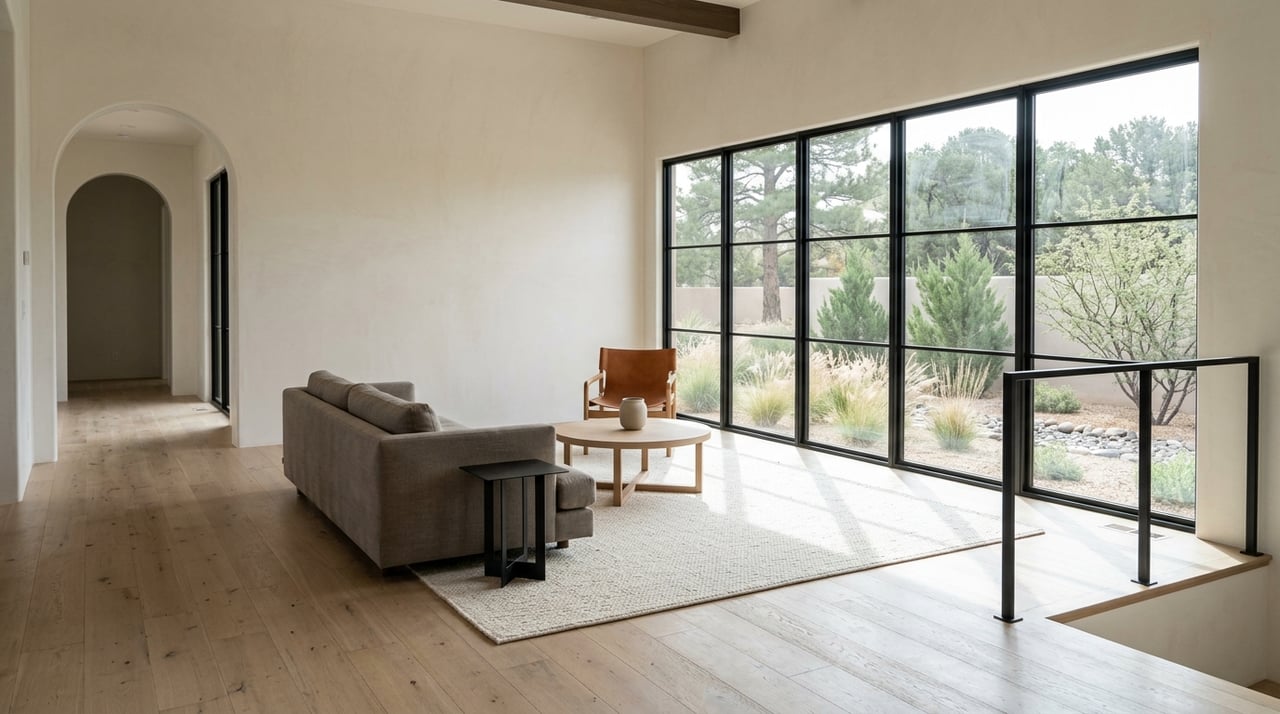
Many buyers are drawn to features that fit acreage living. That often includes main-floor living, expansive views, larger garages, indoor-outdoor flow, and land improvements that support equestrian or rural use.
Current listing examples show the range clearly. The market has included a 2022 mountain contemporary home on 10.39 acres, a custom craftsman in Lambert Ranch on 10.67 acres, a 17.5-acre estate with two homes, a 35-acre horse property, and a 35-acre lodge-style estate with barn and arena facilities.
Sedalia vs Nearby Luxury Markets
If you are comparing Sedalia to other South Metro and rural-adjacent markets, the differences are meaningful. Market snapshots show 46 luxury homes in Sedalia, compared with 44 in Franktown, 48 in Larkspur, 13 in Perry Park, and 378 in Castle Rock.
The bigger takeaway is not just the count. It is the feel of the land and the setting. Franktown has current examples with 5-plus-acre estates, Larkspur includes acreage living in a gated setting, Perry Park tends to offer a more compact one-acre, tree-lined feel, and Castle Rock has a much broader luxury market with a more suburban overall profile, even though some areas still offer larger homesites.
Sedalia’s edge is its combination of open parcels and stronger adjacency to national-forest and county open-space corridors. If your priority is a rural atmosphere with estate-scale land, Sedalia often rises to the top of the list.
Access and Daily Living in Sedalia
Acreage living always comes with practical considerations, and Sedalia is no exception. The community’s main access routes are U.S. Highway 85 and Colorado Highway 67, and Douglas County identifies the Sedalia exit off Highway 85 to Highway 67 as a core route into the area.
Road conditions can vary a lot from one property to the next. One current 17.5-acre estate is served by a gravel surface and a privately maintained road, while another luxury home on 10.39 acres sits on a paved, publicly maintained road.
That difference can affect your daily routine more than buyers sometimes expect. Douglas County notes that many roads in unincorporated areas are privately maintained, and roads closer to Pike National Forest may see less winter maintenance, seasonal closures, or limited cellular and internet service.
The Smart Buyer’s Diligence Checklist
When you buy a luxury acreage home in Sedalia, the house is only part of the review. The land, access, utilities, and legal status of the parcel matter just as much.
Here are some of the most important items to verify before you move forward.
Confirm the parcel is legally created
Douglas County advises buyers to confirm parcel legality before purchase. This is especially important because parcels under 35 acres may have required subdivision approval.
If you are considering future expansion, a second structure, or any thought of changing the parcel, this question should come up early. A beautiful property can still carry limitations that affect your plans.
Review the zoning district carefully
You will want to know exactly which zoning district applies to the property. Douglas County’s rules can affect whether certain land uses or improvements are allowed, including animals, barns, accessory dwelling units, and some home-based uses.
Lot size also matters when it comes to animal guidance in the county. If your vision includes horses or other livestock, do not assume the parcel supports that use without checking.
Understand the water source
In rural areas, water can be one of the most important due diligence items. Douglas County notes that properties closer to Pike National Forest may be at the edge of the Denver Basin aquifer and can experience decreased well productivity over time.
You should confirm whether the property uses a well or central water and review the practical implications. This is one of the key differences between acreage buying and a more typical suburban home purchase.
Check roads and maintenance responsibility
A property’s road setup can shape convenience and long-term expectations. You should verify whether access is from a public road or a private road, who maintains it, and what winter access typically looks like.
This matters even more if the property is in a more remote pocket or near forest access. In some locations, road service and seasonal conditions may be different from what you are used to in a suburban setting.
Review easements, covenants, and restrictions
Douglas County recommends reviewing title restrictions and confirming whether there are easements, private covenants, or conservation restrictions affecting the land. On large parcels, these issues can be easy to overlook if you focus only on the home itself.
A survey or boundary pin verification can also be a smart step. On acreage, you want clarity about where the property begins and ends and what limitations apply across the site.
Match the land to your intended use
The right acreage property depends on how you plan to live on it. Douglas County notes that agricultural tax treatment depends on actual use, not simply A-1 zoning, and the county also highlights considerations like fencing, manure management, and wildlife corridors.
If you want a horse setup, room for outbuildings, or simply a lower-maintenance acreage lifestyle, those goals should guide your search. Not every large parcel functions the same way.
What Buyers Often Value Most
In Sedalia, buyers are often choosing land and lifestyle over dense neighborhood amenities. That does not mean compromise. It means the value equation looks different.
Many luxury buyers here prioritize:
- Privacy and distance between homes
- Long-range views and open horizons
- Main-floor living and large footprints
- Oversized garages and flexible utility space
- Horse readiness or room for future rural improvements
- A setting that feels connected to open land rather than a subdivision pattern
If that sounds like your version of luxury, Sedalia may be a stronger fit than a more traditional suburban luxury community.
How to Approach Your Search Strategically
The best Sedalia purchase decisions usually come from a clear plan. Because inventory spans multiple acreage bands and property types, it helps to decide early what matters most to you.
Start by narrowing your priorities in three categories:
Land priorities
Think about how much land you truly want and how you plan to use it. A 5-acre property, a 10-acre property, and a 35-acre property can deliver very different ownership experiences.
Home priorities
Decide whether your focus is architecture, main-floor living, garage capacity, equestrian improvements, guest accommodations, or a newer custom build. Sedalia offers variety, but not every property combines all of those features.
Practical priorities
Be honest about your comfort level with private roads, well systems, rural utilities, and ongoing land stewardship. The right property is one that supports your lifestyle both on paper and in day-to-day use.
Why Local Guidance Matters in Sedalia
Luxury acreage purchases have more moving parts than many conventional home searches. In Sedalia, those moving parts often include zoning context, road access, utility questions, parcel legality, and the practical realities of rural ownership.
That is where a disciplined, hands-on process matters. A well-run search helps you compare not just homes, but also the land, restrictions, and day-to-day logistics that come with each opportunity.
If you are exploring luxury acreage homes in Sedalia, working with a boutique team can help you stay focused on fit, not just finishes. When you are ready for a tailored search and concierge-level guidance, connect with Adam Ferguson for a private consultation.
FAQs
What makes Sedalia different from other luxury markets near Castle Rock?
- Sedalia stands out for its larger open parcels and stronger connection to county open space and Pike National Forest corridors, which gives it a more rural feel than many nearby markets.
What parcel sizes are common for luxury acreage homes in Sedalia?
- Current market examples span a wide range, including about 4.47, 5.18, 5.5, 8.36, 10.39, 17.5, 20.66, 35.07, 35.53, and 70 acres.
What home styles are common in Sedalia luxury acreage listings?
- Current listings tend to include custom ranches, mountain contemporary homes, craftsman-style homes, lodge-style estates, and horse properties.
What should you verify before buying a rural property in Sedalia?
- Key items include parcel legality, zoning, water source, road maintenance, easements or restrictions, and whether the property fits your intended land use.
Are all Sedalia luxury homes on publicly maintained roads?
- No. Douglas County notes that many roads in unincorporated areas are privately maintained, and current listings show a mix of private gravel roads and paved public roads.
Does a 35-acre parcel in Sedalia automatically mean unrestricted rural use?
- No. Parcel size is important, but you still need to review zoning, title restrictions, easements, conservation limitations, and how the county rules apply to your intended use.