Torn between a sleek Denver address and a sprawling South Metro estate? You are not alone. Many luxury buyers weigh the energy and convenience of city living against the privacy, space and amenities found farther south. In this guide, you will see how each option delivers on lifestyle, access, and long‑term value so you can choose with confidence. Let’s dive in.
Luxury market basics in Denver
What $1M means today
In Metro Denver, market reporting commonly uses $1,000,000 as the threshold for the luxury tier. You will see this definition referenced in local analyses and association reports that segment listings and sales by price band. For current confirmation, review the latest Denver Metro Association of Realtors market trends, which frame the $1M tier across the metro luxury segment (DMAR Market Trends).
Price context by area
Recent reporting places the broader metro median single‑family price near the upper $500,000s to about $600,000, which sets luxury pricing at roughly two times the metro median or more. For context on median pricing and how buyers navigate neighborhoods at different budgets, see recent coverage of Denver’s market trends and neighborhood dynamics (Axios Denver market context). In central neighborhoods like Cherry Creek and Hilltop, many properties list well above $1M. In the south‑metro suburbs, medians often sit in the $600,000s, yet luxury listings in places like Parker, Castle Rock and Highlands Ranch regularly exceed $1M, especially in custom or golf‑course communities.
Space, lots, and architecture
Central Denver home profiles
If you want a premium urban footprint, central Denver offers a mix of historic and modern luxury. Expect early‑20th‑century styles like Denver Squares, bungalows, Victorians and Tudors, plus new‑build townhomes, condos and penthouses. Many single‑family homes sit on relatively smaller lots compared with the suburbs, often in the 3,000 to 10,000 square foot range in neighborhoods such as Washington Park and Cherry Creek. Estate‑scale parcels exist in pockets like Hilltop, Country Club and Observatory Park, though they command premium pricing and are scarce.
South Metro home profiles
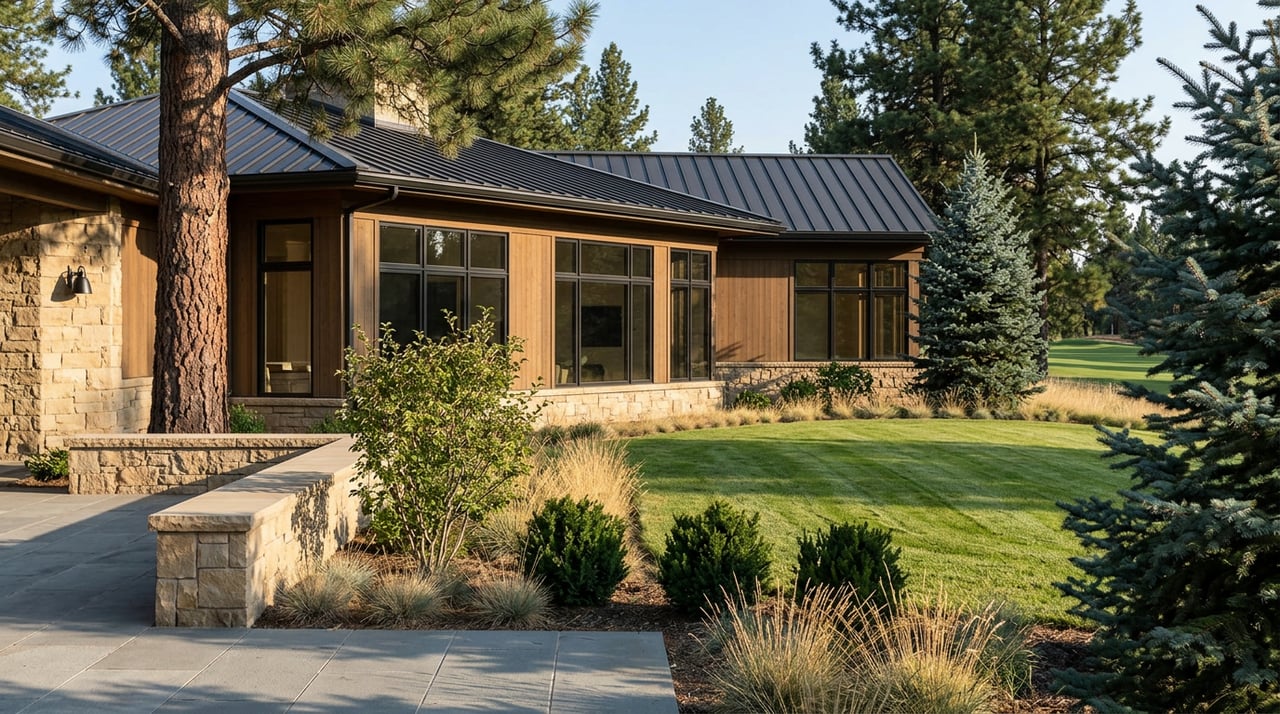
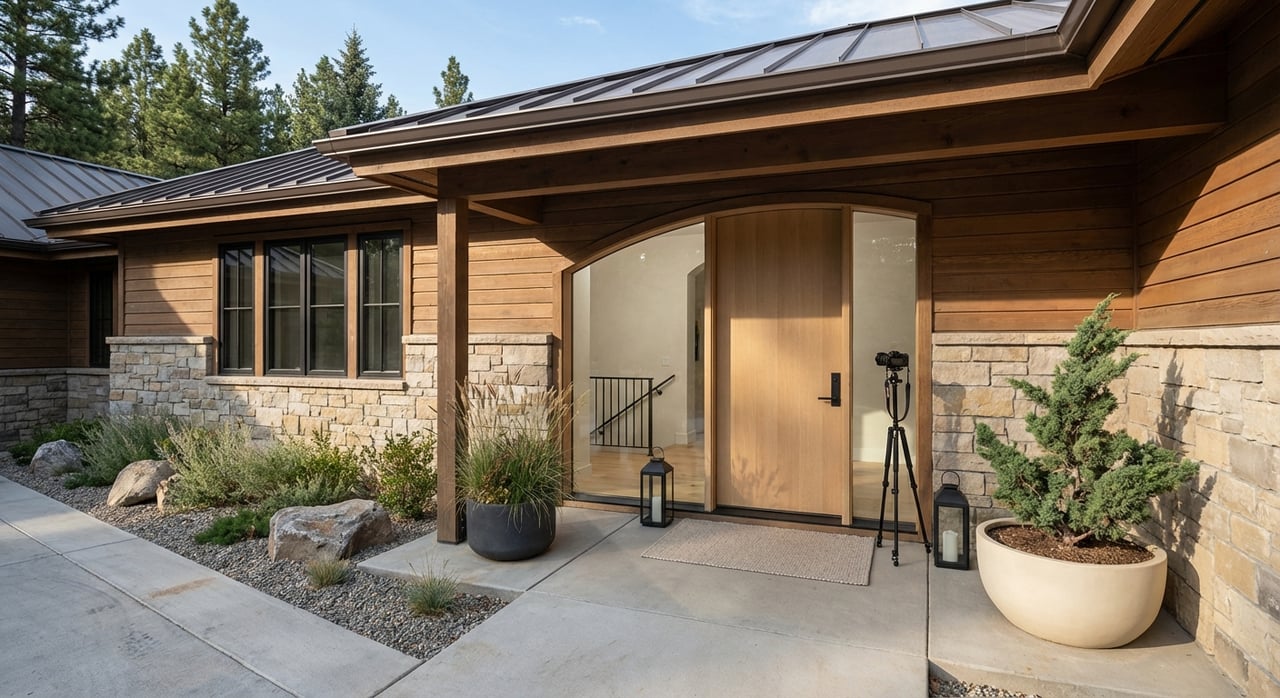
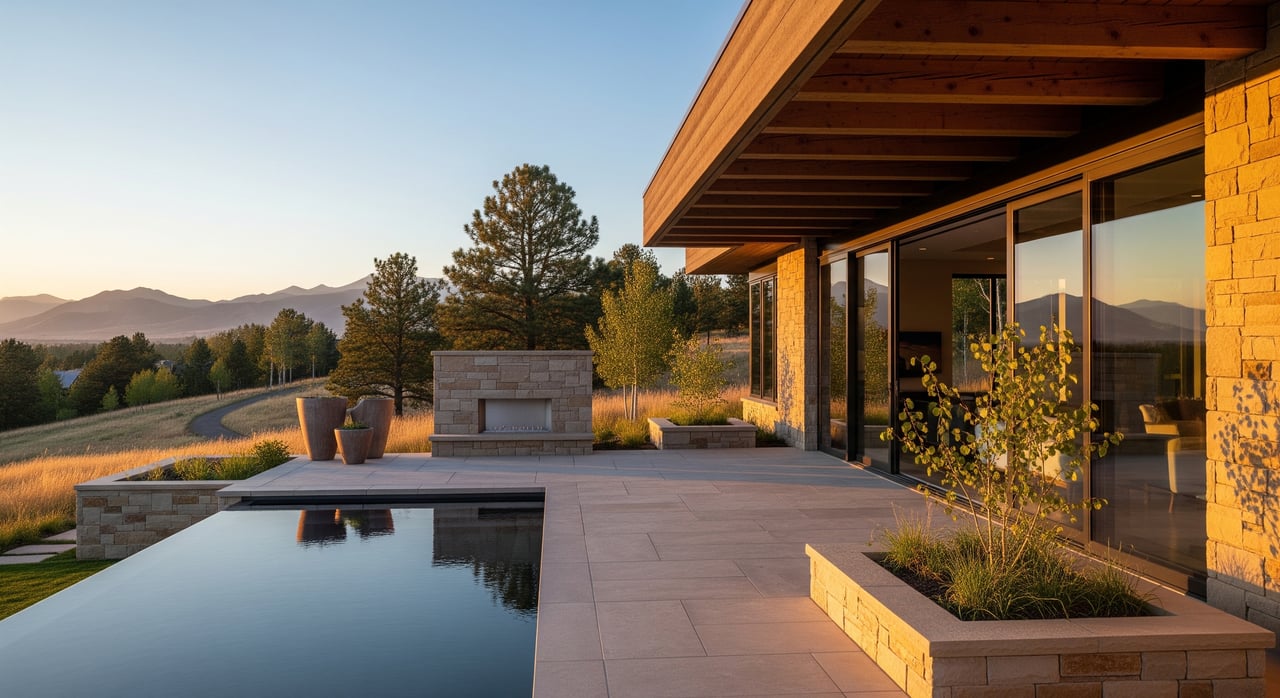
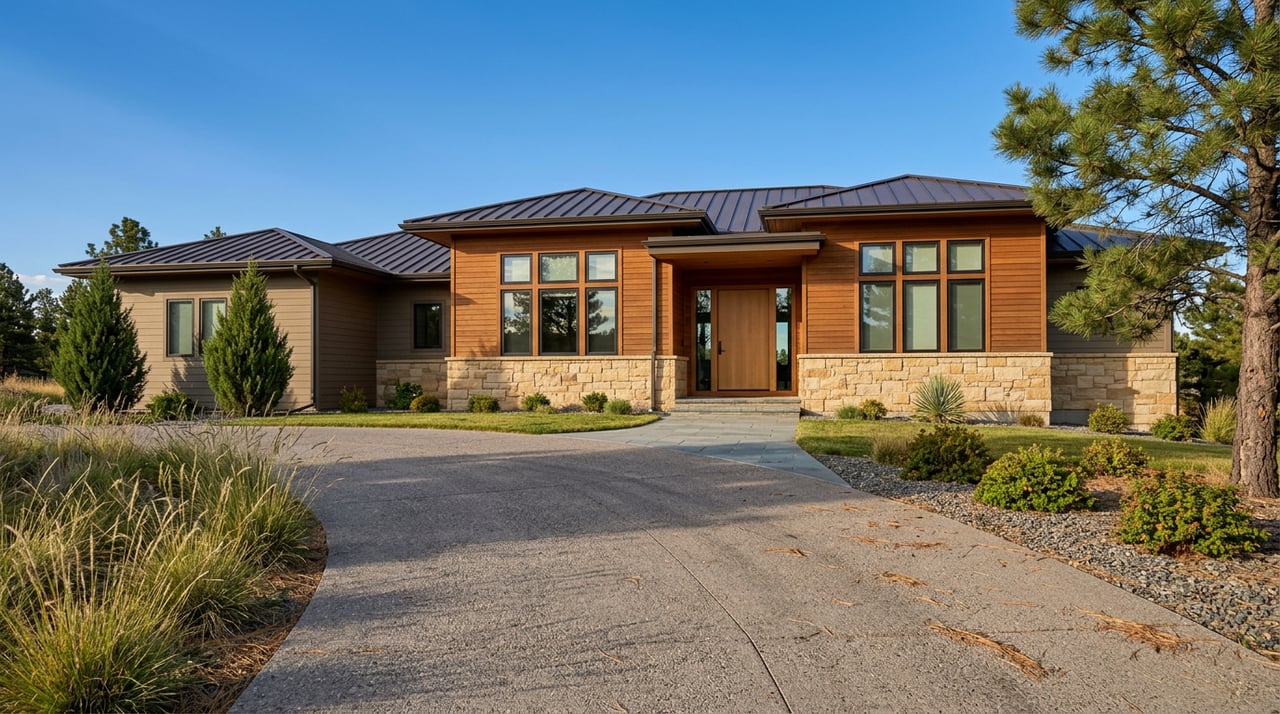
South‑metro communities tend to deliver more square footage and larger lots at a similar budget. Many subdivisions offer lots in the 6,000 to 12,000 square foot range, with numerous neighborhoods providing quarter to half‑acre sites. Estate pockets in Parker and Castle Rock push to one acre or more, with custom homes that showcase mountain‑contemporary design, expansive garages, outdoor living and privacy. Architecture leans newer, with ranch and two‑story plans, transitional and modern farmhouse styles, and planned outdoor spaces that make the most of Colorado’s climate.
Lifestyle and culture access
Urban walkability and arts
If you value walk‑to dining, gallery nights and quick access to the arts, central Denver stands out. Neighborhoods like Cherry Creek, RiNo, LoDo, Capitol Hill and Uptown offer dense clusters of restaurants, boutiques, galleries and performance venues. The city’s established arts and nightlife scene provides easy weeknight plans and short‑notice dining. To get a feel for one of Denver’s creative hubs, explore the flavor of the River North Art District and its mix of food, art and events (RiNo neighborhood overview).
Suburban dining and events
South‑metro suburbs deliver a different rhythm. You trade daily walkability for convenient plazas, town centers and community programming. Littleton’s historic Main Street offers a charming downtown vibe with independent restaurants and access to light rail. Highlands Ranch has a robust recreation system and town center convenience. Parker features a designated Mainstreet with regular events and a local cultural center. Castle Rock pairs a historic downtown with regional shopping that makes one‑stop errands simple, including the well‑known outlet center (Outlets at Castle Rock).
Commutes and transit options
Driving times and patterns
Average commute times are more similar than you might expect, although patterns differ. According to the American Community Survey 2019–2023 five‑year estimates, mean commutes hover in the mid‑20 minute range across much of the region. Denver is roughly 25 to 26 minutes on average, Littleton about 26.2 minutes, Highlands Ranch around 24.9, Parker near 26.1 and Castle Rock about 29.2. These figures are useful for planning, and you can review Denver’s official ACS profiles for context on the city side (U.S. Census QuickFacts).
Light rail and bus access
Rail access can be a deciding factor. Littleton has RTD light‑rail stations on the Southwest corridor, including Littleton–Mineral, which provides a direct rail option into central Denver (RTD Littleton–Mineral Station). Highlands Ranch ties into the network via RTD bus routes and park‑and‑ride hubs. Parker and Castle Rock do not have RTD light‑rail stations, so residents typically rely on driving and regional bus options. If you require daily rail commuting, central Denver or transit‑served pockets like parts of Littleton and Englewood will be your best fit.
Daily convenience and services
Shopping and healthcare
Central Denver offers neighborhood groceries, specialty markets and boutique services within short walks or quick rides, which fits a lock‑and‑leave lifestyle. The south‑metro suburbs excel in big‑errand convenience, with grocery, retail and medical services clustered in accessible centers. Regional hubs like Park Meadows and the outlets in Castle Rock simplify larger shopping trips and seasonal runs.
Schools and enrollment checks
For many buyers, district boundaries are part of the equation. Cherry Creek School District and Douglas County School District are often cited among the stronger large districts regionally. Denver Public Schools is a large, diverse system with magnet and choice options, and performance varies by school and neighborhood. Always confirm the specific school assignments for a given property and review official data at the Colorado Department of Education’s SchoolView portal (Colorado Department of Education SchoolView).
Ownership costs and rules
Taxes, HOAs, and metro districts
Colorado’s effective property tax rates are modest compared with many states, and metro‑area counties often fall in the 0.4 to 0.7 percent effective range. Your final property tax bill depends on local mill levies and any special districts. In suburban master‑planned communities, HOAs and metro‑district assessments fund pools, trails and enhanced services. In central Denver, condo HOAs cover building operations and amenities. Always review the specific parcel’s tax estimates, HOA dues and any metro‑district obligations before you write an offer. For state and county context, see the Tax Foundation’s property tax data resources (Tax Foundation property tax data).
Zoning and special uses
If you plan to add a detached garage, workshop or accessory dwelling, confirm local zoning and HOA rules. For acreage, equestrian use or larger outbuildings, focus your search on neighborhoods with appropriate zoning in areas of Parker and Castle Rock. Municipal planning pages and community CC&Rs will outline what is permitted.
Two luxury buyer profiles
The Weekender City Lover
- Values walkable dining, boutique shopping and cultural access.
- Prefers low‑maintenance living with concierge‑style amenities.
- Likely fit: Cherry Creek condo or townhouse, LoDo or RiNo penthouse, or a renovated historic home near Washington Park.
The Family Estate Seeker
- Prioritizes space, privacy and outdoor living with room for a pool or sport court.
- Wants newer construction, larger garages and easy access to community recreation.
- Likely fit: Highlands Ranch, Parker’s custom communities like The Pinery or Pradera, and estate pockets in Castle Rock.
Quick decision guide
Use this checklist to narrow your search. Rank each item from high to low priority, then focus on the settings that align.
- Primary lifestyle: If you want daily walk‑and‑dine convenience and short trips to arts and events, central Denver neighborhoods like Cherry Creek and RiNo fit well (RiNo neighborhood overview). If you want bigger yards, privacy and room for toys or an ADU, target Parker, Highlands Ranch, Castle Rock and estate pockets nearby.
- Commute and transit: Need rail access for weekday commuting? Central Denver and parts of Littleton are your most reliable options (RTD Littleton–Mineral Station). Comfortable driving for a larger home and lot? Suburban areas deliver more house per dollar.
- Schools: If district reputation is a key factor, map your shortlist to Cherry Creek or Douglas County boundaries, then verify the exact assigned schools and performance on SchoolView (Colorado Department of Education SchoolView).
- Maintenance tolerance: Prefer lock‑and‑leave? Consider central condos or townhomes. Love gardening and outdoor projects? Look to suburban single‑family homes with larger lots.
- Long‑term value: Constrained urban neighborhoods with limited new supply often maintain strong per‑square‑foot values over time. Suburban estate areas can also perform well and typically offer more living space for the same budget. Inventory and new‑build pipelines will influence appreciation and choice.
Next steps and touring plan
Create a shortlist that includes two central Denver homes and two south‑metro properties in your budget. Tour them back‑to‑back so you can compare lot size, street feel, drive time, light, and outdoor living potential. Pay attention to the practical details that matter day to day: where you will grocery shop, how often you will use neighborhood amenities, and how the commute feels during the times you travel most. If you are moving with children, pull the official school boundary maps and confirm enrollment steps early.
When you are ready to move forward, a boutique, white‑glove approach can simplify the process. With disciplined planning, curated on‑ and off‑market options, and start‑to‑finish coordination, you can focus on the homes that truly match your priorities. If you would like a private, data‑driven consultation tailored to your goals, connect with Adam Ferguson to get started.
FAQs
Is $1M considered luxury in Denver real estate?
- Yes. Local market reporting commonly uses $1,000,000 and above to define the metro luxury tier. Confirm the threshold with the latest DMAR report at the time you buy (DMAR Market Trends).
Will I get more land in the south‑metro suburbs for $1M?
- In most cases, yes. Suburban luxury listings in Parker, Highlands Ranch and Castle Rock typically offer larger lots and more total square footage than comparable central‑Denver properties, with exceptions for rare city parcels.
Which south‑metro locations have light rail access?
- Littleton has RTD light‑rail stations on the Southwest corridor, including Littleton–Mineral, which connects to central Denver. Highlands Ranch relies on feeder buses, and Parker and Castle Rock do not have RTD light‑rail stations (RTD Littleton–Mineral Station).
How do property taxes and HOAs compare between city and suburbs?
- Colorado’s effective property tax rates are modest, but actual bills vary by county, mill levies, and any special or metro‑district assessments. Condo HOAs in the city and suburban HOAs or metro districts fund different amenities and services, so review each property’s disclosures carefully (Tax Foundation property tax data).
How should I evaluate schools when comparing neighborhoods?
- Start with district boundaries to understand which schools serve a property, then verify performance and enrollment details using the Colorado Department of Education’s SchoolView portal for official data and reports (Colorado Department of Education SchoolView).