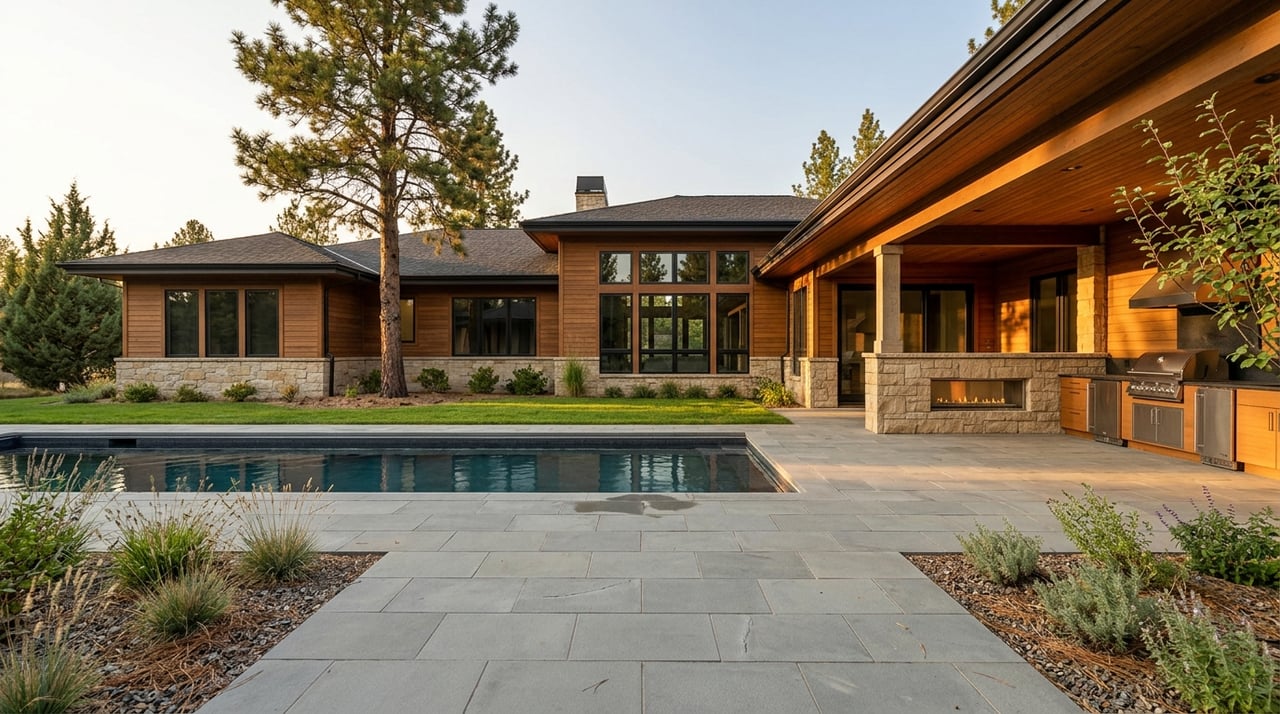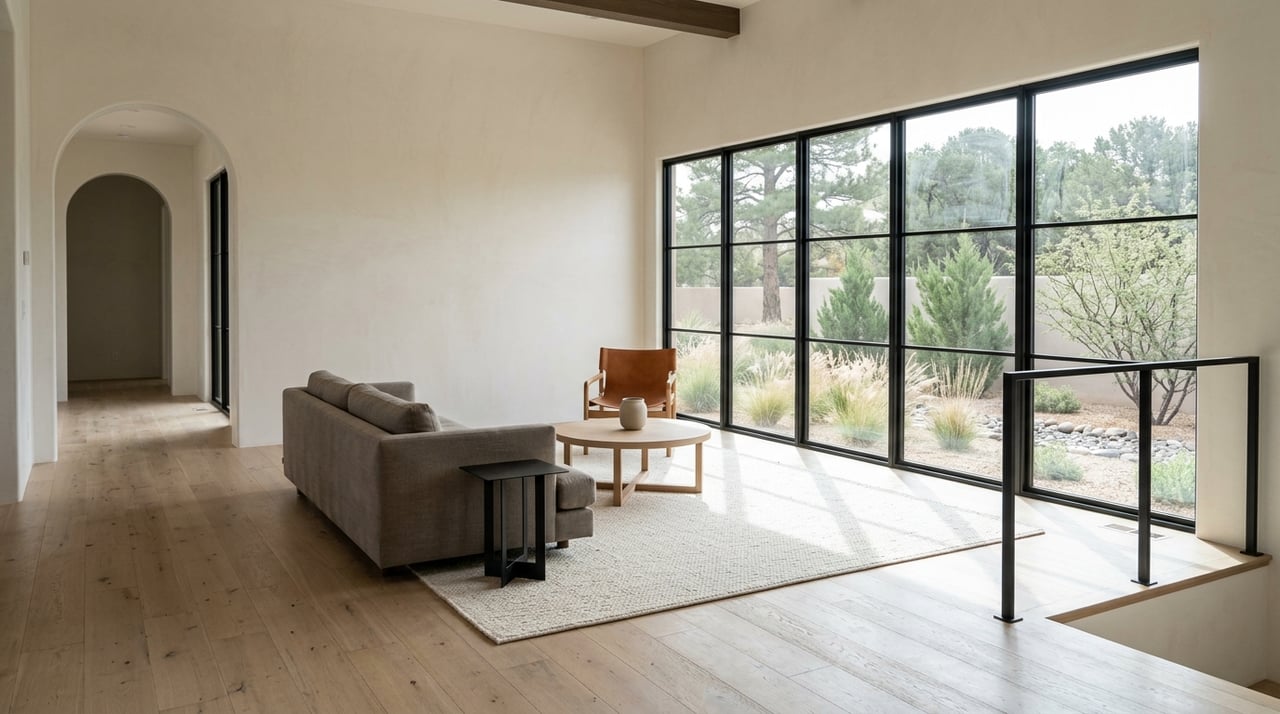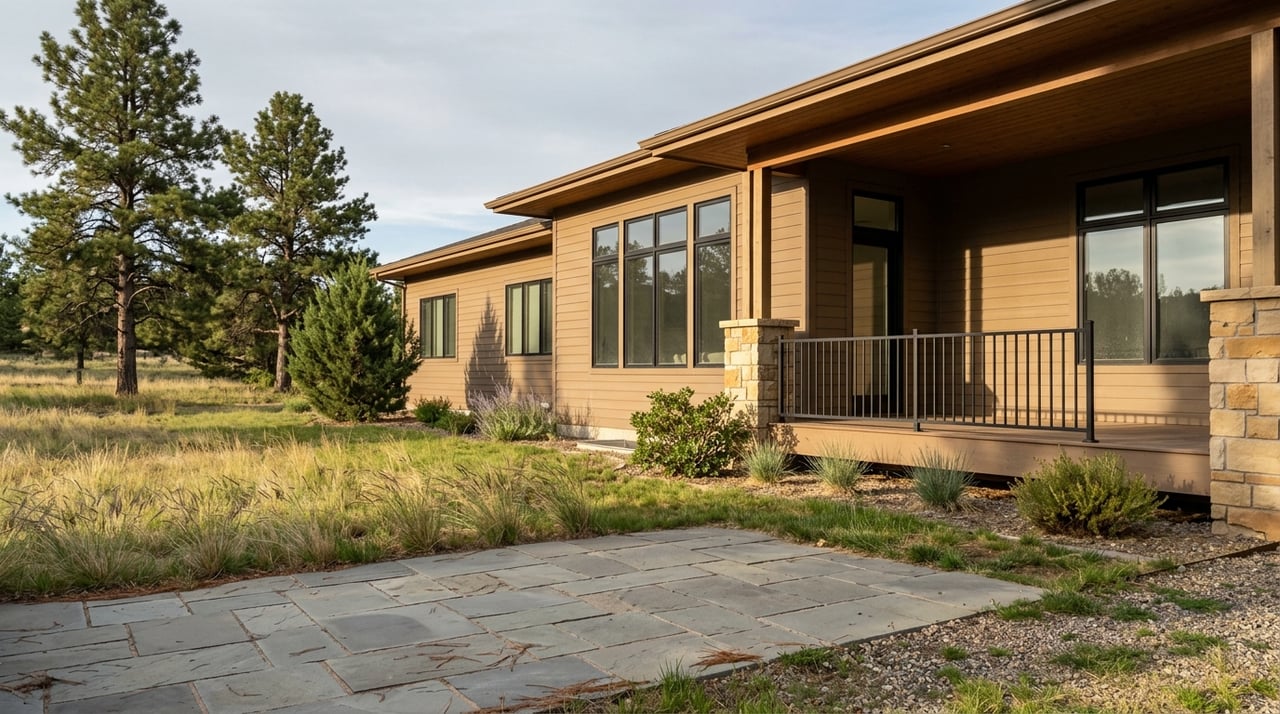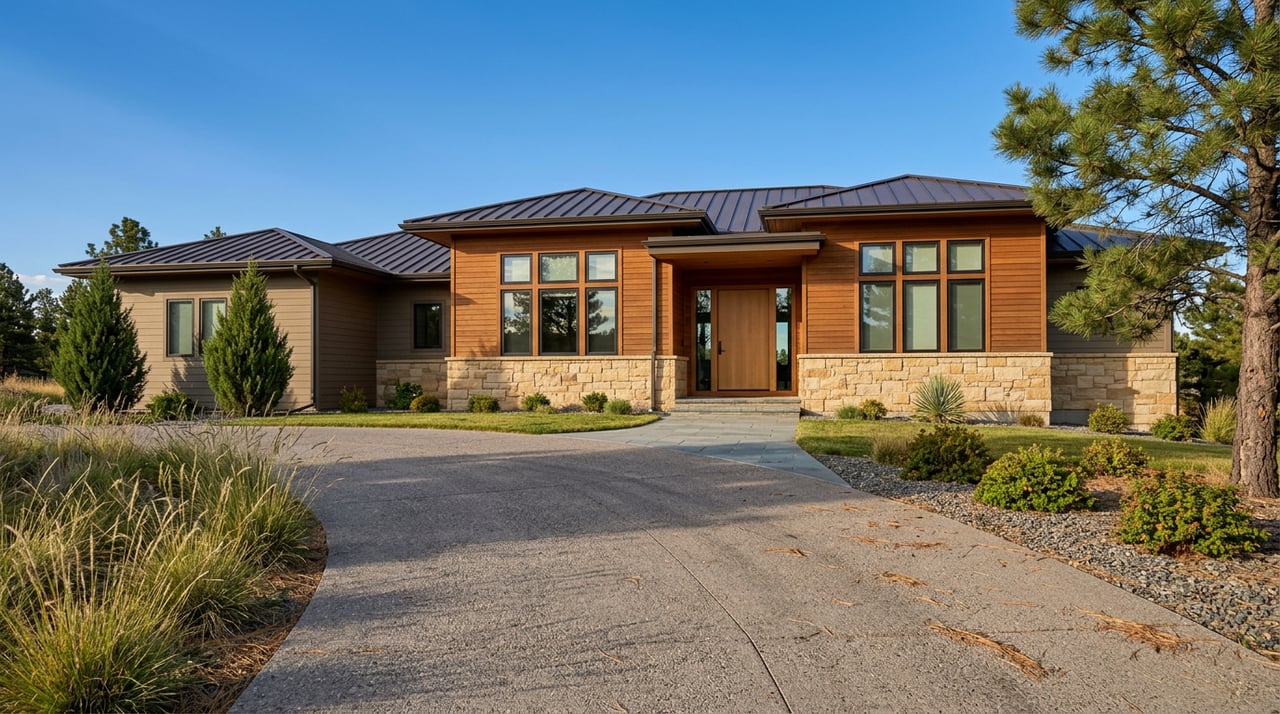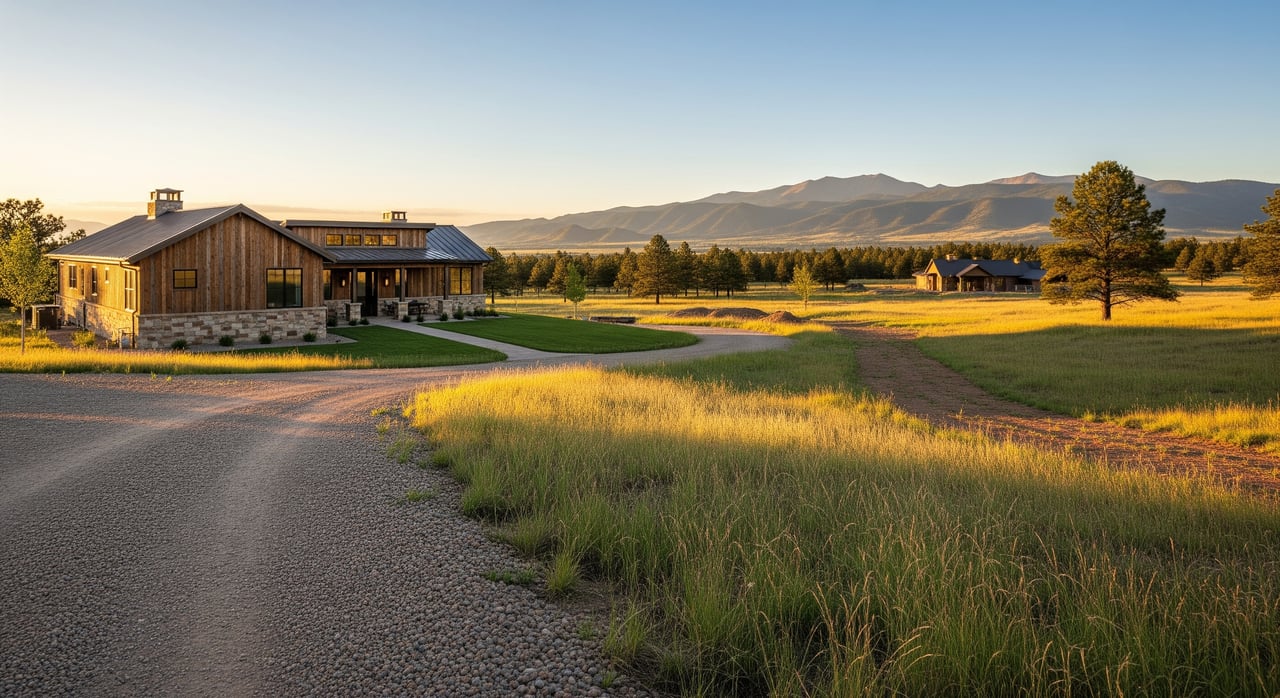
You want the space, privacy and views Franktown is known for. The question is whether you should build a custom home on acreage or buy a move-in-ready resale. Both paths can work well if you plan for the details that matter in Douglas County. In this guide, you will compare timelines, carrying costs, site work, and due diligence so you can choose with confidence. Let’s dive in.
Build vs buy at a glance
- Timeline to keys: Building often takes 12 to 36 months from lot purchase to move-in. Resale can close in 30 to 60 days.
- Cost predictability: Resale has a defined price today. Building requires allowances, contingencies and can shift with site work and change orders.
- Control vs convenience: Building gives you full control over design and features. Resale delivers speed, established utilities and immediate use.
- Franktown specifics: Private wells, septic systems, driveway grades and utility extensions can shape both your budget and timeline.
What building on acreage involves
Typical timeline in Franktown
- Design and builder selection: 1 to 6 months depending on complexity and your decision speed.
- County entitlements and permits: 1 to 6 months with Douglas County, driven by complete submittals and approvals for septic, well and driveway.
- Site preparation: 1 to 3 months for grading, driveway and utility stubs.
- Construction: 9 to 18 months based on finishes, weather and change orders.
- Total to move-in: Often 12 to 36 months. Local builder calendars and county review times influence the range.
Site work and hidden costs to plan
- Septic system design and installation based on soil suitability and bedroom count.
- Well drilling, pump, treatment and storage if no district water is available.
- Utility trenching, transformer pads and line extensions for electric and gas. Propane is common where natural gas is not available.
- Driveway construction, grading and retaining walls. Long or steep approaches need engineering and can add time.
- Geotechnical investigation and foundation type on sloped or expansive soils. Walkout basements are common on bench sites.
- Erosion control and drainage plans that protect downstream properties.
- Wildfire mitigation: defensible space, ember-resistant materials and clearances that can also improve insurance options.
- Outbuildings, equestrian facilities, gates and landscaping.
Due diligence before you close on land
- Verify water: existing well permits, well logs, yield and any required transfers with the Colorado Division of Water Resources.
- Confirm septic feasibility: soil or perc testing and adequate area for the system and reserve field.
- Order a topographic survey and review setbacks, building envelopes and slopes.
- Check legal access and road status. Clarify county maintained vs private, plus any road maintenance agreements.
- Review title for easements, mineral reservations, CCRs and any design or animal-use rules.
- Confirm electric, gas and telecom providers, plus costs for service and extensions.
- Obtain a geotechnical soils report where slopes or instability appear.
- Assess wildfire exposure and recommended mitigation.
- Identify floodplain or drainage constraints through FEMA mapping and local data.
Buying a move-in-ready acreage
Why resale appeals
- Faster occupancy with a standard 30 to 60 day closing.
- Predictable hard costs with a known purchase price.
- Existing improvements: mature landscaping, outbuildings and proven access and utilities you can test in different seasons.
- Immediate use for family or second-home needs while you plan any tweaks or renovations.
What to inspect carefully
- Permits and approvals for all structures, additions and grading.
- Septic permits, as-builts, age, pumping history and inspection results.
- Well logs, water quality and flow tests. Confirm ownership and any transfer steps.
- Easements, rights of way and mineral reservations that could affect privacy or future expansion.
- Road maintenance agreements and any HOA or POA obligations.
- Wildfire exposure and whether mitigation measures are in place.
Carrying costs compared
Building often includes two financing phases and extended timelines. Resale tends to be simpler and more predictable in the near term. For high-net-worth buyers, include the opportunity cost of capital and your time.
Building phase costs
- Lot financing or capital allocation plus construction loan interest on draws.
- Property taxes that rise after completion.
- Builder’s risk insurance, then homeowner coverage.
- Temporary utilities, water hauling if needed, site security and maintenance.
- Private road and gate costs, plus any HOA or POA dues.
Resale ownership costs
- Mortgage payments, property taxes and homeowner insurance.
- Utilities, well and septic service, and routine pumping schedules.
- HOA or POA dues and any road maintenance obligations.
- Landscaping, snow removal and upkeep for larger grounds or equestrian facilities.
Decision framework for HNW buyers
- Choose to build if you want a specific layout, high-end finishes tailored to you and are comfortable managing longer timelines and contingencies.
- Choose resale if you value speed, cost certainty and proven utilities and access. Renovations can fine-tune the property after closing.
- In both cases, confirm water, septic and access early. These three items often decide the direction in Franktown.
Illustrative path to keys
Build scenario overview
- Month 0 to 2: Place land under contract with contingencies for well, septic feasibility, survey, title and access. Order soils and utility quotes.
- Month 2 to 6: Finalize design and builder. Submit permits to Douglas County and coordinate driveway and right-of-way approvals.
- Month 6 to 8: Begin site prep, utilities and foundation based on soils report.
- Month 8 to 24: Vertical construction, inspections and finish selections. Prepare for landscape, gates and mitigation work.
- Month 12 to 36: Certificate of occupancy and move-in, subject to weather, supply chains and change orders.
Resale scenario overview
- Week 0 to 2: Targeted search and showings focused on utilities, access, topography and CCRs.
- Week 2 to 6: Offer and contract with tailored contingencies for well, septic, survey, title and permits.
- Week 6 to 10: Complete inspections, negotiate repairs or credits and finalize loan.
- Week 8 to 12: Close and take possession. Begin any light renovations or landscape updates on your schedule.
Franktown specific considerations
- Zoning and CCR layers: Douglas County zoning controls setbacks, accessory buildings and lot coverage. Subdivision covenants may add design or animal-use rules.
- Utilities vary by parcel: Many properties rely on private wells and on-site septic systems. Natural gas may not be available. Fixed wireless or satellite internet is common.
- Topography matters: Rolling benches can create ideal walkout sites but require careful driveway engineering and erosion control.
- Access and maintenance: Private roads usually require shared maintenance and snow removal agreements.
- Schools and services: Franktown is within Douglas County School District. Many services are in nearby Castle Rock and Parker.
How expert representation helps
- Structure the contract with the right contingencies for well, septic, survey, title exceptions and HOA document review.
- Coordinate specialists early, including surveyors, geotechnical engineers, septic designers and well drillers.
- Interpret title, easements, mineral reservations and CCRs that affect privacy, building envelopes and future plans.
- Compare total cost of ownership for build vs resale, including carrying costs and realistic timelines.
- Recommend vetted custom builders and contractors familiar with Douglas County’s processes.
- Advise on wildfire insurance considerations and mitigation steps common in the wildland-urban interface.
- Navigate Douglas County expectations for permits and driveway standards to avoid delays.
Ready to explore Franktown?
When you balance time, cost and control, the right choice becomes clear. If you want turnkey certainty, target well-documented resales. If you want a one-of-a-kind estate, plan a disciplined build with robust contingencies and a proven local team. Either way, you deserve a process that protects your time and privacy.
For a curated search, contractor introductions and a contingency-first plan tailored to your goals, connect with Adam Ferguson. Schedule Your Consultation.
FAQs
How long does it take to build a custom home on Franktown acreage?
- From lot purchase to move-in, plan for 12 to 36 months that include design, county permitting, site prep and 9 to 18 months of construction.
What should I verify about wells and water rights in Franktown?
- Confirm well permits, well logs, yield and any required permit transfers with the Colorado Division of Water Resources, and clarify any separate ditch or irrigation rights.
How do septic systems affect bedroom count on acreage?
- Septic capacity is tied to soil conditions and design, so a soil or perc test and septic design will determine how many bedrooms the system can support.
How do private road maintenance agreements work in Douglas County?
- Private roads typically require shared owner maintenance and snow removal, so review recorded agreements and any HOA or POA obligations and fees.
How can I evaluate wildfire risk and insurance for a rural parcel?
- Request a wildfire hazard assessment, confirm defensible space needs and discuss insurance options and potential discounts for mitigation measures.
Should I buy a finished property and renovate instead of building?
- If you value speed and predictability, buying resale and renovating can balance convenience with customization while using proven utilities and access.